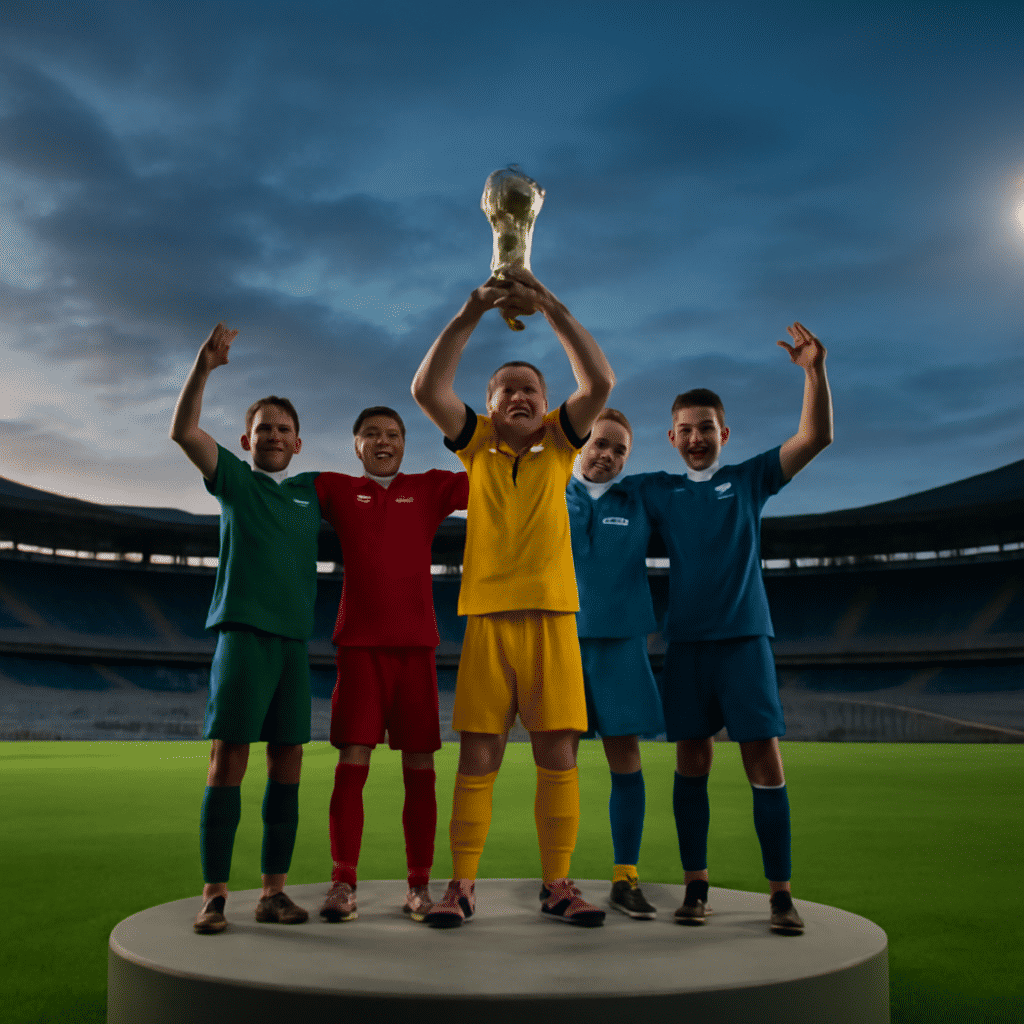
In today's increasingly competitive world, the concept of fair competition stands as a beacon of integrity, reminding us of the true essence of sportsmanship and unity. While the lure of victory can often overshadow the foundational values of respect and camaraderie, fair competitions offer a refreshing return to these core principles. They emphasize the joy of participating, the honor in playing by the rules, and the importance of fostering a sense of unity among competitors.
At the heart of fair competition lies sportsmanship, a quality that transcends the boundaries of individual and team sports. It encourages athletes to compete with honor, respect their opponents, and celebrate both victories and defeats with grace. In a fair competition, the real victory comes not from the scoreline, but from knowing that one's performance was genuine and respectful. This mindset not only creates a positive atmosphere but also contributes to personal growth and character development.
The aspect of unity is equally important in fair competitions. It transforms potentially competitive environments into spaces of collaboration and support. Whether it’s a relay race, a debate team, or a group project, unity encourages participants to draw strength from each other, harnessing their collective abilities to achieve a common goal. This spirit of unity helps dissolve barriers, fostering friendships and mutual respect among participants from diverse backgrounds.
Participating in fair competitions also offers a wealth of educational benefits. They teach valuable life lessons such as resilience, empathy, and communication—skills that extend beyond the sports field or competitive arena. Participants learn to deal with disappointment constructively, to appreciate different perspectives, and to work effectively as part of a team. These experiences can be foundational in developing well-rounded individuals who are prepared to navigate the complexities of real-world interactions.
Incorporating fair competition into community events and educational settings can significantly enhance their impact. For instance, organizing inclusive sports days or inter-school tournaments with a focus on fair play can help inculcate these values from an early age. Encouraging participants to set personal goals, rather than solely focusing on winning, can also shift the focus from external competition to internal growth. Moreover, rewarding fair play and sportsmanship—as much as, if not more than, victory—can reinforce these values.
In conclusion, fair competitions are vital in promoting sportsmanship and unity, acting as a counterbalance to the often win-at-all-costs mentality prevalent in many arenas today. They emphasize the importance of how we play the game over merely obtaining victory, offering rich experiences that prepare individuals not just for competition, but for life. By fostering environments where fairness, respect, and unity are prioritized, we can inspire future generations to carry these values forward, creating a more compassionate and cohesive society.