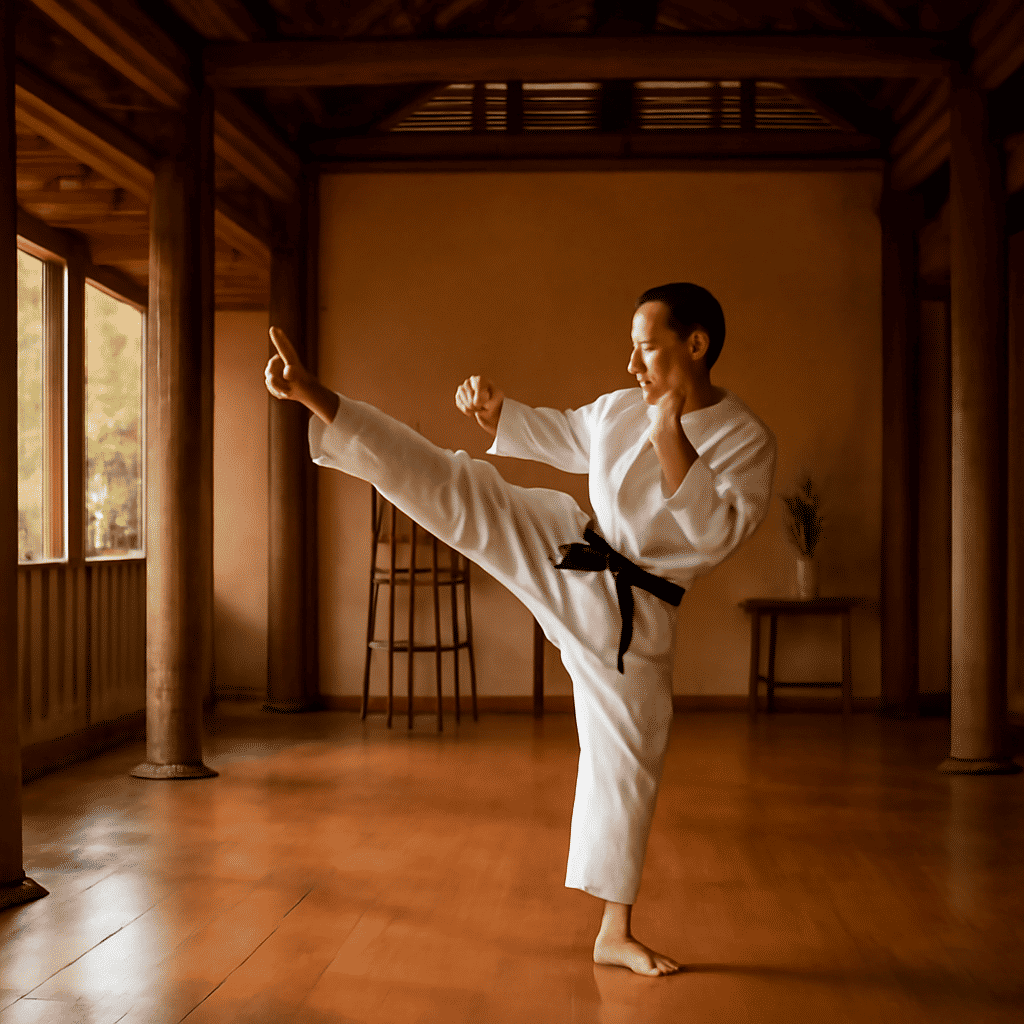
Martial arts have long intrigued and inspired individuals across the globe, transcending cultures and generations. They are an amalgamation of physical prowess, mental discipline, and philosophical insight, offering a comprehensive guide to personal development. While many are drawn to the physical aspects of martial arts, the true essence extends far deeper, fostering a harmonious balance between body and mind.
At the heart of martial arts lies the pursuit of self-mastery. Practitioners engage in rigorous physical training to enhance strength, flexibility, and endurance. These physical demands serve to build not just the body but also cultivate mental resilience. The repetitive nature of training instills a profound sense of discipline, teaching students that consistent effort leads to incremental improvements over time.
Moreover, martial arts emphasize the importance of awareness and presence. Techniques such as kata in karate, forms in kung fu, or the rolling patterns of Brazilian jiu-jitsu require practitioners to be acutely aware of their movements and surroundings. This acute attention to detail heightens situational awareness and encourages a mindful approach to challenges both on and off the mat.
Simultaneously, martial arts are a journey in emotional regulation. The training environment can be intense, testing one's patience and ability to maintain composure under pressure. Through sparring, competition, or even solo practice, students learn to channel aggression constructively, transforming potential stress into focus and calm. These lessons extend beyond the dojo, helping individuals navigate life's adversities with grace and confidence.
Centrally, martial arts are anchored in philosophical principles that vary among traditions but commonly emphasize respect, humility, and empathy. Respect for one's instructors, peers, and even opponents is a fundamental tenet, teaching practitioners to value others' experiences and perspectives. Humility keeps egos in check, reminding individuals that there is always more to learn, no matter how skilled they become. This openness to continuous learning fosters a lifelong commitment to personal growth.
Empathy, often overlooked in combative sports, is another critical component. By understanding an opponent's strategy and emotions, martial artists better appreciate their own strengths and weaknesses. This insight encourages compassion and understanding, inspiring practitioners to build a community that extends support and encouragement.
In essence, martial arts offer a path to holistic development, integrating physical skills with mental and philosophical insights. For those who embark on this journey, the reward is far greater than physical prowess—it is an enduring transformation that enriches every aspect of life. Whether on the mat or in everyday experiences, the principles ingrained through martial arts practice help individuals navigate the world with resilience, awareness, and empathy, epitomizing the true spirit of these ancient disciplines.